
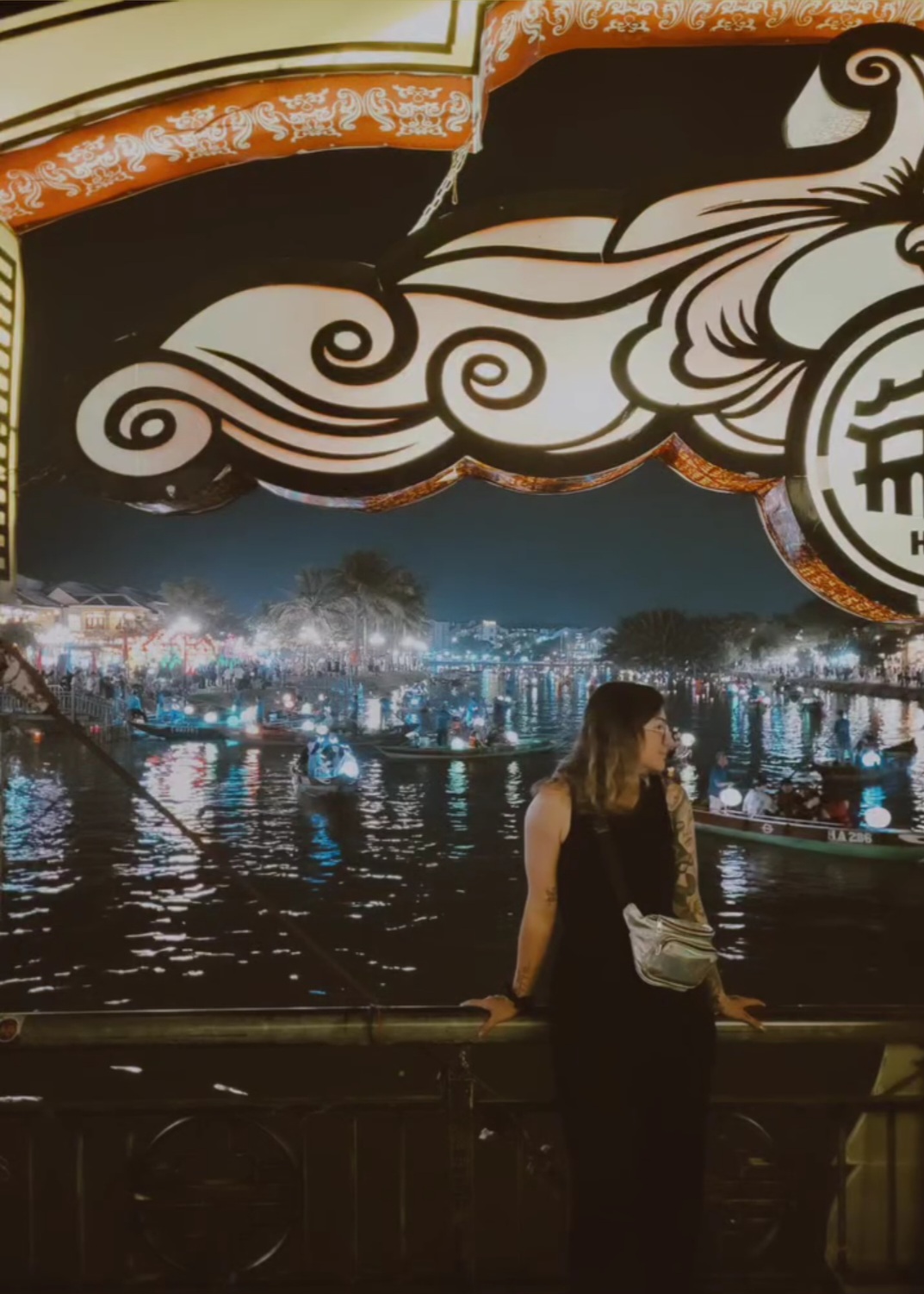
My Quick Guide on Cultural Etiquette in Southeast Asia
If you are heading to southeast Asia and want to pe prepared for the cultural differences this Post is perfect for you. For most of us that live either in Europe or America, Asia is fa away from our culture and not something that we know well. If you are like me that travels for the culture, you don’t want to upset the locals by doing something you didn’t even know would be upsetting.
But the First thing to now about Southeast Asia is, that the locals are very welcoming. But also, on the other hand their deep-rooted traditions and customs. Generally, they are forgiving towards Tourists but understanding basic etiquette shows respect and enriches your travel experience. I will share some common cultural mistakes to avoid in countries like Thailand, Vietnam, Indonesia and Malaysia and some country specific ones.
Respect for Religion and Sacred Places
This should go without saying it but respecting their religion and sacred places is the most important thing when traveling. For Southeast Asia this means:
- Don’t wear revealing clothes especially in temples and mosques. Your shoulders and knees should be covered. Always remover your shoed before entering temples, mosques and someone’s home.
- Don’t touch sacred objects or monks.
- Keep your voice down – treat religious places with reverence
If you are unsure about something observe what the locals do.

Watch Your Body Language
The Body Language and the Body itself plays a big part in the culture of Southeast Asia. Fo example the head of a person is considered sacred in Buddhist cultures and therefore cannot be touched by anyone else. This rule I especially important for monks and Children.
Another important thing to watch out is your feet. Feet are vied as uncleen. Avoid pointing them toward people or religious statues. This also includes the sole of your feet.
If you are travelling with your spouse. Avoid kissing or hugging in public. It can be seen as inappropriate in many parts of SEA. Even holding hands is not really welcomed.
Mind Your Table Manners
In Asians cultures they have a massive respect for their elders. If you are invited to eat with other people wait until the eldest person starts eating. This is considered polite.
One thing I didn’t know when if first travelled to Vietnam was to never stick chopsticks upright in rice or any Bowl – it resembles offerings to the dead in many Asian cultures.

Handle Money, Gifts, and Greetings Politely
In Asia it is important to never show anger or raise your voice. It is vital to always be polite and smile even though the street vendor that won’t accept a no is making you angry.
You also shouldn’t refuse gifts outright, it is polite to accept (even if modestly).
Be Cultural Sensitive with Photos
This should also be clear but always ask before taking photos of people. Especially monks, tribal groups, or in rural areas.
Also try not to pose goofy or even disrespectful in any way near statues or sacred monuments.
Be Environmentally and Socially Responsible
Locals take pride in their natural surroundings and in rural areas it is maybe one of the few things they have. So just be respectful do nature. Don’t litter and just take care of our fascinating world.
Please avoid animal tourism. I know it is still a big thing especially in Thailand with the elephant riding. And it is a huge source of income for them, but it just harms the animals.
If you want to experience Animals for example elephants there are ethical sanctuaries where you can visit them. Or opt for an adventures Jungle Trek where you can see them in the wild. The most important thing here is to look for the best ethical options that don’t harm the animals or the nature surrounding them.

Country-Specific Quick Tips
Thailand:
- Don’t insult or joke about the King or royal family. It’s a serious offense
- Don’t lose your temper; being calm and respectful (“jai yen”) is highly valued.
Vietnam:
- Don’t touch someone’s shoulder or back unless you know them well — it can feel intrusive.
- Don’t discuss the Vietnam War casually or politically — it’s still sensitive.
- Do hand things with both hands — it’s polite and shows respect.
Singapore:
- Don’t litter, chew gum, or jaywalk — fines are hefty.
- Don’t eat or drink on public transport.
- Don’t forget to queue — Singaporeans are very disciplined about lining up.
- Be punctual — timekeeping is taken seriously.
Malaysia
- Don’t hand things with your left hand.
- Be cautious with alcohol — it’s not acceptable in all areas or contexts.
Laos
- If you’re female don’t hand anything directly to a monk.
- Don’t criticize or mock religion or local traditions.
- Don’t step over someone’s body or food — it’s disrespectful.
- Do bow slightly (nop) with palms together when greeting elders or monks.
Indonesia:
- Don’t use your left hand to give or receive items or eat. It’s considered unclean.
- Don’t point with your index finger — use your thumb with the other fingers closed instead.
- Dress modestly, especially outside of tourist areas like Bali.
A bit of cultural awareness goes a long way in Southeast Asia — not only to avoid awkward situations but also to connect meaningfully with locals. And a smile goes a long way! Being polite, calm, and respectful will smooth over most cultural mistakes. Locals appreciate genuine effort more than perfection. Have you experienced these cultures? Let me know in the comments and if you are interested in more about Asia here I have more Posts for you.
Leave a Reply